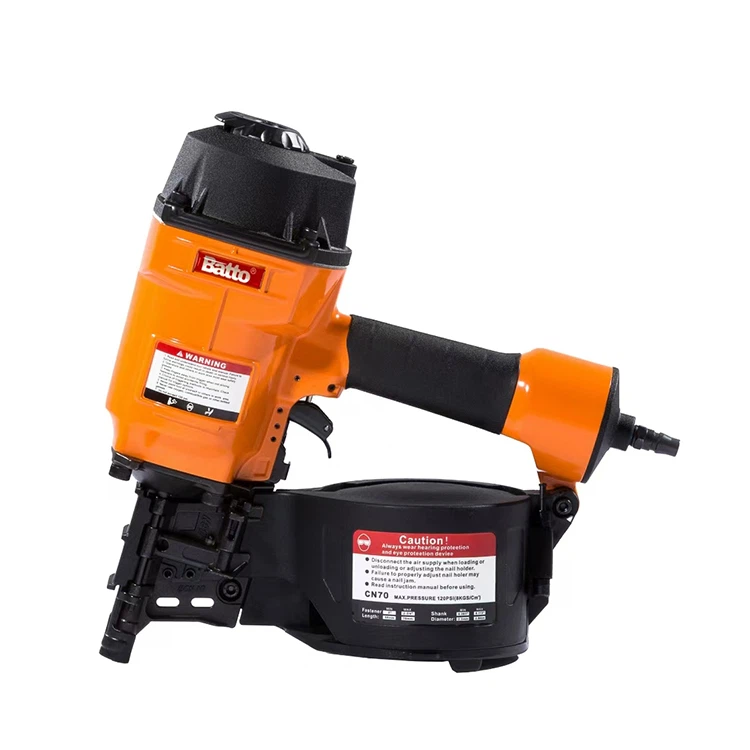
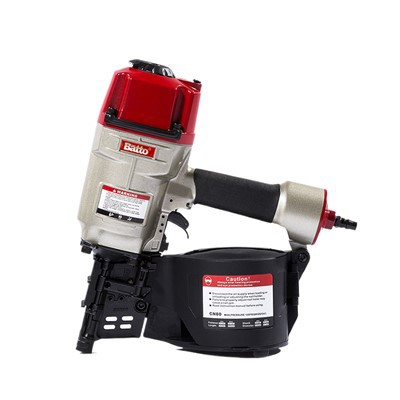
In the realm of construction and woodworking, pneumatic nail guns have become indispensable tools, offering efficiency and precision in fastening tasks. At the heart of these powerful devices lies the pneumatic nail gun valve set, a complex assembly of components that work in harmony to ensure the smooth operation of the nail gun. Among these components, the trigger valve plays a crucial role, acting as the gatekeeper that controls the flow of compressed air and initiates the firing sequence. As a leading supplier of pneumatic nail gun valve sets, I am excited to delve into the function of the trigger valve and its significance in the overall performance of the nail gun.
The Basics of a Pneumatic Nail Gun Valve Set
Before we explore the function of the trigger valve, let's first understand the basic components of a pneumatic nail gun valve set. A typical valve set consists of several key parts, including the main valve, the trigger valve, the exhaust valve, and various seals and gaskets. These components work together to regulate the flow of compressed air, which is the driving force behind the nail gun's operation.
The main valve is responsible for controlling the overall flow of compressed air into the nail gun. When the nail gun is not in use, the main valve remains closed, preventing air from entering the system. When the trigger is pulled, the main valve opens, allowing compressed air to flow into the nail gun and power the piston.
The exhaust valve, on the other hand, is responsible for releasing the compressed air from the nail gun after the firing sequence is complete. This helps to reset the nail gun and prepare it for the next shot.
The Function of the Trigger Valve
The trigger valve is a critical component of the pneumatic nail gun valve set, as it is directly responsible for initiating the firing sequence. When the user pulls the trigger of the nail gun, the trigger valve opens, allowing a small amount of compressed air to flow into a chamber behind the main valve. This creates a pressure differential that causes the main valve to open, allowing a larger volume of compressed air to flow into the nail gun and drive the piston forward.
In essence, the trigger valve acts as a switch that controls the flow of compressed air to the main valve. By opening and closing the trigger valve, the user can control when the nail gun fires, providing precise control over the fastening process.
Types of Trigger Valves
There are several types of trigger valves used in pneumatic nail guns, each with its own unique design and function. The most common types of trigger valves include:
- Single-Action Trigger Valve: This type of trigger valve is the simplest and most common design. It operates on a single-action principle, meaning that the nail gun fires every time the trigger is pulled. Single-action trigger valves are often used in applications where rapid firing is required, such as framing and sheathing.
- Contact-Actuated Trigger Valve: Also known as a bump fire trigger valve, this type of trigger valve allows the user to fire the nail gun by simply pressing the nose of the nail gun against the workpiece and pulling the trigger. Contact-actuated trigger valves are commonly used in applications where speed and efficiency are important, such as roofing and siding.
- Sequential Trigger Valve: This type of trigger valve requires the user to pull the trigger and then press the nose of the nail gun against the workpiece before the nail gun will fire. Sequential trigger valves are designed to provide greater safety and control, as they prevent accidental firing and ensure that the nail gun only fires when the user intends it to.
Importance of a Well-Functioning Trigger Valve
A well-functioning trigger valve is essential for the safe and efficient operation of a pneumatic nail gun. If the trigger valve is not working properly, it can cause a variety of problems, including misfires, jams, and inconsistent firing. These issues can not only slow down the fastening process but also pose a safety risk to the user.
For example, if the trigger valve fails to open properly, the nail gun may not fire at all or may fire with insufficient force, resulting in nails that are not fully driven into the workpiece. On the other hand, if the trigger valve fails to close properly, the nail gun may continue to fire even after the trigger is released, posing a serious safety hazard.
Regular maintenance and inspection of the trigger valve are therefore essential to ensure its proper function. This includes cleaning the valve, checking for wear and tear, and replacing any damaged or worn components as needed.
Compatibility with Other Components
The trigger valve must also be compatible with the other components of the pneumatic nail gun valve set, as well as the overall design of the nail gun. For example, the size and shape of the trigger valve must be compatible with the main valve and the exhaust valve to ensure proper airflow and operation.
In addition, the trigger valve must be designed to work with the specific type of compressed air system used in the nail gun. Different nail guns may require different levels of air pressure and flow rate, so it is important to choose a trigger valve that is compatible with the nail gun's specifications.
The Role of the Trigger Valve in Safety
Safety is a top priority when using pneumatic nail guns, and the trigger valve plays a crucial role in ensuring the safe operation of the tool. By providing precise control over the firing sequence, the trigger valve helps to prevent accidental firing and reduce the risk of injury.
For example, sequential trigger valves are designed to require the user to pull the trigger and then press the nose of the nail gun against the workpiece before the nail gun will fire. This helps to prevent accidental firing and ensures that the nail gun only fires when the user intends it to.
In addition, some trigger valves are designed with safety features such as lockout mechanisms or anti-dry fire systems. These features help to prevent the nail gun from firing when there are no nails in the magazine or when the tool is not properly positioned, further enhancing the safety of the user.


Maintenance and Replacement of the Trigger Valve
Like all components of a pneumatic nail gun, the trigger valve requires regular maintenance and occasional replacement to ensure its proper function. Over time, the trigger valve may become worn or damaged due to normal use, exposure to dirt and debris, or other factors.
To maintain the trigger valve, it is important to clean it regularly using a clean, dry cloth or a mild cleaning solution. This helps to remove any dirt, debris, or oil that may accumulate on the valve and affect its performance.
In addition, it is important to inspect the trigger valve regularly for signs of wear or damage. If the trigger valve is worn or damaged, it should be replaced immediately to prevent further damage to the nail gun and ensure the safety of the user.
When replacing the trigger valve, it is important to choose a high-quality replacement part that is compatible with the make and model of the nail gun. Using a low-quality or incompatible trigger valve can cause a variety of problems, including misfires, jams, and reduced performance.
Related Spare Parts
In addition to the trigger valve, there are several other spare parts that are essential for the proper operation of a pneumatic nail gun. These include the Nail Gun Piston, the Pneumatic Nail Gun Nozzle, and the Shock-absorbing Pad for Pneumatic Nail Guns.
The nail gun piston is responsible for driving the nail into the workpiece. It is a critical component of the nail gun, as it must be able to withstand the high pressure and force generated by the compressed air.
The pneumatic nail gun nozzle is responsible for guiding the nail into the workpiece and ensuring that it is properly seated. A worn or damaged nozzle can cause the nail to misfire or not be driven in properly, resulting in a poor-quality fastening.
The shock-absorbing pad for pneumatic nail guns helps to reduce the recoil and vibration generated by the nail gun during operation. This can help to improve the user's comfort and control, as well as reduce the risk of fatigue and injury.
Conclusion
In conclusion, the trigger valve is a critical component of the pneumatic nail gun valve set, as it is directly responsible for initiating the firing sequence and providing precise control over the fastening process. By understanding the function of the trigger valve and its importance in the overall performance of the nail gun, users can ensure that their nail guns are operating safely and efficiently.
As a leading supplier of pneumatic nail gun valve sets, we offer a wide range of high-quality trigger valves and other spare parts to meet the needs of our customers. Whether you are a professional contractor or a DIY enthusiast, we have the products and expertise to help you keep your nail gun in top condition.
If you are interested in learning more about our pneumatic nail gun valve sets or other spare parts, please contact us today to discuss your specific needs. Our team of experts is always available to provide you with the information and support you need to make the right choice for your project.
References
- Pneumatic Tools Handbook, Second Edition, by John D. Bossard
- The Complete Guide to Pneumatic Nail Guns, by Tom Silva