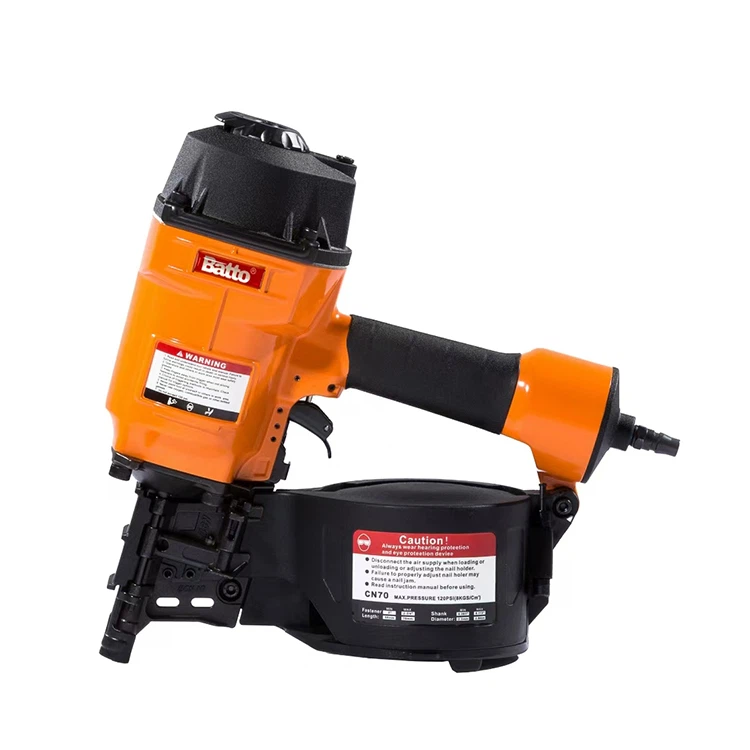
As a supplier of pneumatic nailers cylinders, I've witnessed firsthand the intricate relationship between air compressor capacity and the performance of these crucial tools. In this blog, I'll delve into the science behind it, exploring how different compressor capacities impact pneumatic nailers cylinders and what you need to know to optimize your workflow.
Understanding the Basics of Pneumatic Nailers Cylinders and Air Compressors
Before we discuss the impact of air compressor capacity, it's essential to understand the fundamental principles of pneumatic nailers cylinders and air compressors. Pneumatic nailers rely on compressed air to drive nails into various materials. The air compressor is responsible for generating and storing this compressed air, which is then delivered to the pneumatic nailer's cylinder.
The cylinder in a pneumatic nailer is a critical component that houses the piston. When compressed air enters the cylinder, it exerts pressure on the piston, causing it to move forward and drive the nail into the material. The speed and force at which the nail is driven depend on several factors, including the amount of compressed air available and the pressure at which it is delivered.
Role of Air Compressor Capacity
Air compressor capacity is typically measured in cubic feet per minute (CFM) and pounds per square inch (PSI). CFM refers to the volume of air the compressor can deliver per minute, while PSI measures the pressure at which the air is delivered. These two parameters are crucial in determining the performance of pneumatic nailers cylinders.
A higher CFM rating means the compressor can deliver a larger volume of air in a given time. This is particularly important for pneumatic nailers that require a continuous supply of air, such as those used in high - volume nailing applications. If the compressor's CFM is too low, the nailer may not receive enough air to drive nails consistently, resulting in misfires or incomplete nail penetration.
On the other hand, PSI determines the force with which the nail is driven. A higher PSI can provide more power to the piston in the cylinder, allowing the nailer to drive nails into denser materials. However, it's important to note that most pneumatic nailers have a recommended PSI range. Exceeding this range can cause damage to the nailer and the workpiece, while operating below the recommended range may lead to poor performance.
Impact on Cycling Speed
One of the most significant effects of air compressor capacity on pneumatic nailers cylinders is the cycling speed. Cycling speed refers to how quickly the nailer can fire consecutive nails. A compressor with a high CFM rating can replenish the air in the nailer's cylinder rapidly after each firing. This allows the nailer to cycle faster, increasing productivity, especially in large - scale projects where time is of the essence.
For example, in a construction site where workers are installing hundreds or thousands of nails, a high - capacity air compressor can keep the pneumatic nailer firing at a consistent and rapid pace. In contrast, a low - capacity compressor may cause the nailer to slow down between shots as it waits for the air pressure in the cylinder to build up again.
Impact on Nail Penetration
The air compressor's capacity also has a direct impact on nail penetration. As mentioned earlier, the PSI of the compressed air determines the force applied to the piston in the cylinder. A compressor that can maintain a stable and high PSI within the recommended range of the nailer will drive nails deeper and more effectively into the material.
When working with dense materials such as hardwood or thick metal, a higher PSI is required to ensure proper nail penetration. A low - capacity compressor may struggle to maintain the necessary pressure, resulting in nails that are only partially driven or that pop out easily. This not only affects the quality of the work but also increases the risk of accidents.
Impact on Tool Longevity
Proper air compressor capacity can also contribute to the longevity of pneumatic nailers cylinders. When a compressor provides a consistent and adequate supply of compressed air, the nailer operates under optimal conditions. This reduces wear and tear on the cylinder, piston, and other internal components.
Conversely, using a compressor with insufficient capacity can cause the nailer to work harder than it should. This can lead to increased friction, overheating, and premature failure of the parts. For instance, if the compressor cannot keep up with the demand for air, the piston may not move smoothly within the cylinder, causing damage to the seals and the cylinder walls over time.
Choosing the Right Air Compressor for Pneumatic Nailers Cylinders
As a pneumatic nailers cylinders supplier, I often get asked how to choose the right air compressor. The first step is to determine the CFM and PSI requirements of your pneumatic nailer. These specifications are usually provided by the nailer manufacturer.
Once you know the requirements, look for an air compressor that can meet or exceed these values. It's also important to consider the type of work you'll be doing. If you're working on large - scale projects that require continuous nailing, choose a compressor with a higher CFM rating. For lighter, occasional use, a smaller compressor may be sufficient.
Additional Components for Optimal Performance
In addition to choosing the right air compressor, there are other components that can enhance the performance of pneumatic nailers cylinders. For example, a Metal Balancing Valve can help regulate the air pressure, ensuring a consistent flow of air to the nailer. This can improve the cycling speed and nail penetration.
A Nail Gun Balance Valve is another important component. It helps maintain the balance of air pressure within the nail gun, reducing the risk of misfires and improving overall performance.


And don't forget about the Shock - absorbing Pad for Pneumatic Nail Guns. This pad can reduce the vibration and impact force on the nail gun, protecting the cylinder and other parts from damage. It also provides a more comfortable and stable working experience for the user.
Conclusion
In conclusion, the air compressor capacity plays a crucial role in the performance of pneumatic nailers cylinders. From cycling speed and nail penetration to tool longevity, every aspect of the nailer's operation is affected by the amount and pressure of the compressed air it receives.
As a supplier of pneumatic nailers cylinders, I understand the importance of getting the right combination of tools and components to ensure optimal performance. If you're in the market for pneumatic nailers cylinders or need advice on choosing the right air compressor and additional components, I'm here to help. Contact me for more information and to discuss your procurement needs. Let's work together to find the best solutions for your projects.
References
- Manufacturer's manuals for pneumatic nailers and air compressors
- Industry research on pneumatic tool performance and maintenance
- Reports on the use of pneumatic nailers in construction and manufacturing applications