Hey there! As a supplier of Pneumatic Air Nail Guns for Roofing, I often get asked whether it's easy to operate these tools. Well, let's dive right in and break it down.
First off, let me give you a bit of background on pneumatic air nail guns for roofing. These bad boys are powered by compressed air, which makes them super efficient for nailing shingles, sheathing, and other roofing materials. They're a staple in the roofing industry, and for good reason.
Now, to answer the big question: Is it easy to operate a pneumatic air nail gun for roofing? The short answer is, it can be, but it definitely takes some practice and know - how.
Getting Familiar with the Basics
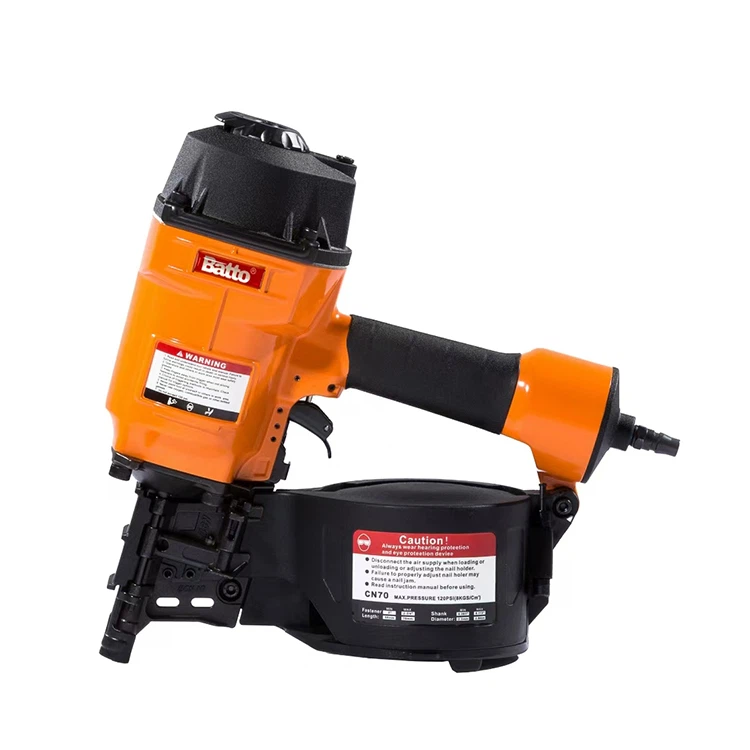
When you first get your hands on a pneumatic air nail gun for roofing, the first thing you'll notice is that it has a few key components. There's the air inlet, where you connect the air hose from your compressor. Then there's the magazine, which holds the nails. And of course, the trigger, which is what you press to fire the nails.
Connecting the air hose is usually pretty straightforward. Just make sure you've got the right fittings and that the compressor is set to the correct pressure. Most roofing nail guns work well at around 70 - 120 PSI (pounds per square inch), but it's always best to check the manufacturer's instructions.
Loading the nails into the magazine can be a bit tricky at first. You need to make sure the nails are properly aligned and that they fit snugly. If the nails aren't loaded correctly, the gun might jam, and that's a real pain in the neck. But once you get the hang of it, it becomes second nature.
Safety First
Before you start nailing away, safety should be your top priority. Always wear safety glasses to protect your eyes from flying debris. Ear protection is also a good idea, as these guns can be pretty loud. And make sure you're using the right type and size of nails for your project. Using the wrong nails can not only damage the gun but also lead to a poor - quality job.
The Learning Curve
When you first start using a pneumatic air nail gun for roofing, you might find it a bit difficult to control. The recoil from the gun can be surprising, especially if you're not used to it. And getting the nails to go in straight and at the right depth takes some practice.
But here's the thing: with a little bit of patience and practice, you'll start to get the hang of it. Start by practicing on some scrap pieces of wood or roofing material. Try different angles and pressures to see how the gun responds. As you get more comfortable, you'll be able to work faster and more efficiently.
Our Product Range
At our company, we offer a variety of pneumatic air nail guns for roofing. For example, we have the Coil Nail Gun for Pallet. This gun is great for heavy - duty roofing jobs. It can handle a large number of nails in its coil magazine, which means less time reloading and more time nailing.
Another popular option is the CN90 Heavy Duty Industrial Pneumatic Coil Siding Nailer Coil Framing Nailer. This nailer is built tough and can handle even the most demanding roofing projects. It has a high - capacity magazine and a powerful air motor, which makes it a favorite among professional roofers.
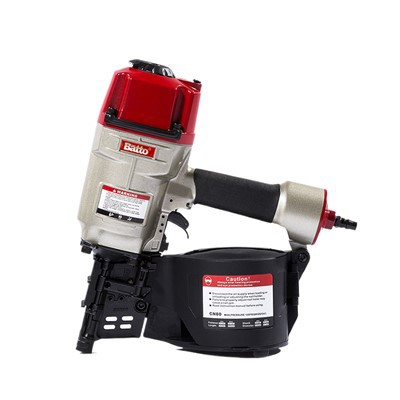
And if you're looking for a more compact and lightweight option, our CN55 Pneumatic Industry Coil Nail Gun is a great choice. It's easy to maneuver, making it ideal for smaller roofing jobs or for working in tight spaces.
Troubleshooting
Even with the best - made nail guns, you might run into some issues from time to time. One of the most common problems is jamming. If the gun jams, the first thing you should do is turn off the air supply and disconnect the air hose. Then, carefully remove the jammed nails using a pair of pliers. Make sure you're following the manufacturer's instructions for clearing jams, as doing it wrong can cause further damage to the gun.
Another issue you might encounter is misfires. If the gun isn't firing the nails properly, it could be due to low air pressure, a dirty air filter, or worn - out parts. Check the air pressure and make sure the compressor is working correctly. Clean or replace the air filter if necessary. And if you suspect there are worn - out parts, it's best to have the gun serviced by a professional.


The Verdict
So, is it easy to operate a pneumatic air nail gun for roofing? It's not exactly a walk in the park, especially when you're just starting out. But with a bit of practice, a focus on safety, and the right tools, you can become proficient at using these guns. And once you do, you'll wonder how you ever got by without one.
If you're in the market for a pneumatic air nail gun for roofing, we'd love to help you find the perfect one for your needs. Whether you're a professional roofer or a DIY enthusiast, we've got the products and the expertise to support you. Reach out to us to start a conversation about your requirements and let's work together to get your roofing projects done right.
References
- Manufacturer's manuals for pneumatic air nail guns
- Industry best practices for roofing and nail gun use