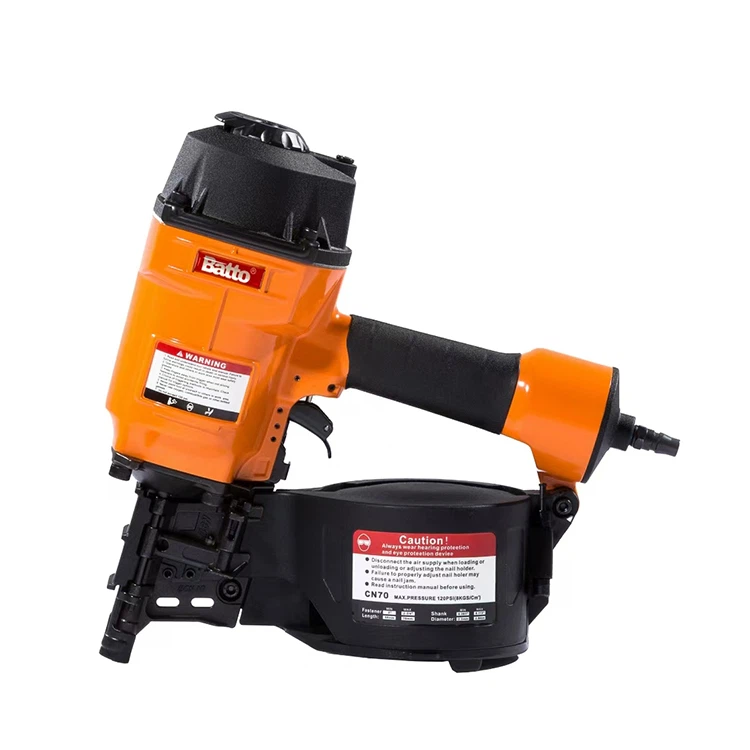
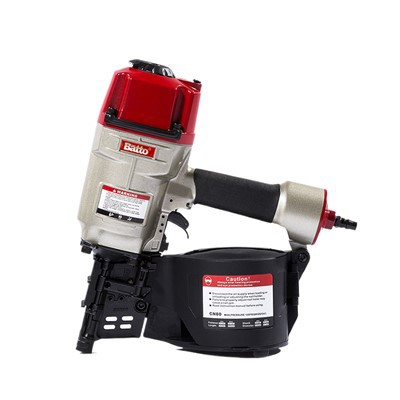
Selecting the right nail gun piston for a specific application is a crucial decision that can significantly impact the performance, efficiency, and longevity of your nail gun. As a trusted nail gun piston supplier, we understand the complexities involved in this selection process and are here to guide you through the key considerations.


Understanding the Basics of Nail Gun Pistons
Before delving into the selection process, it's essential to understand what a nail gun piston is and how it functions. A nail gun piston is a critical component within a pneumatic or cordless nail gun. It is responsible for driving the nail into the material. When the trigger is pulled, compressed air or a mechanical force acts on the piston, propelling it forward with great force to drive the nail.
The design and construction of the piston can vary depending on the type of nail gun and its intended application. Factors such as the piston's size, material, and shape can all affect its performance. For example, a larger piston may generate more force, making it suitable for heavy - duty applications, while a smaller piston may be more appropriate for lighter tasks.
Types of Nail Gun Applications and Piston Requirements
1. Framing Applications
Framing is a heavy - duty application that involves joining large pieces of lumber together, such as in the construction of houses or buildings. In framing nail guns, pistons need to be robust and capable of delivering high levels of force. They are often larger in size and made from high - strength materials like hardened steel. The piston's design should allow for quick and powerful strikes to drive long and thick nails into dense wood.
For framing applications, a piston with a high - impact resistance is essential. This ensures that it can withstand the repeated high - force impacts without deforming or breaking. Additionally, the piston should have a smooth surface finish to reduce friction within the nail gun's cylinder, improving its overall efficiency.
2. Finish Carpentry Applications
Finish carpentry involves the installation of trim, moldings, and other decorative elements. In these applications, precision is key. The nail gun pistons used in finish nailers are typically smaller and more lightweight compared to those used in framing nail guns. They are designed to drive smaller, more delicate nails without causing damage to the surface of the material.
The piston for a finish nailer should be able to deliver a consistent and controlled force. This allows for accurate placement of nails and reduces the risk of over - driving or splitting the wood. A piston with a fine - tuned design can also help in achieving a cleaner finish, which is crucial for high - end carpentry projects.
3. Flooring Applications
When installing flooring, whether it's hardwood, laminate, or engineered wood, the nail gun piston needs to be carefully selected. Flooring nail guns require a piston that can drive nails at an angle and with the right amount of force to secure the flooring planks firmly in place.
The piston should be designed to work in conjunction with the specific flooring nailer mechanism. It should be able to handle the unique requirements of flooring installation, such as driving nails through the tongue of the flooring plank into the subfloor. Some flooring nail guns use a piston system that is optimized for a particular type of flooring material, ensuring a secure and long - lasting installation.
Factors to Consider When Selecting a Nail Gun Piston
1. Compatibility
The most important factor is compatibility with your nail gun. Different nail gun models have specific piston requirements in terms of size, shape, and mounting mechanism. It's crucial to check the manufacturer's specifications for your nail gun to ensure that the piston you choose is a perfect fit. Using an incompatible piston can lead to poor performance, increased wear and tear on the nail gun, and even safety hazards.
2. Material Quality
The material of the piston plays a vital role in its performance and durability. High - quality materials such as hardened steel, aluminum alloys, or carbon fiber composites are commonly used. Hardened steel pistons are known for their strength and durability, making them suitable for heavy - duty applications. Aluminum alloy pistons are lightweight and corrosion - resistant, which can be beneficial for reducing the overall weight of the nail gun and improving its portability [1].
3. Impact Resistance
As mentioned earlier, the piston is subjected to high - force impacts during operation. A piston with good impact resistance can withstand these forces without getting damaged. Look for pistons that have been heat - treated or have a special coating to enhance their impact resistance. This will ensure a longer lifespan for the piston and reduce the need for frequent replacements.
4. Smooth Operation
A smooth - operating piston is essential for consistent nail driving. Friction between the piston and the cylinder can cause energy loss and uneven performance. Pistons with a polished surface or low - friction coatings can minimize this friction, resulting in smoother and more efficient operation. This also helps in reducing the wear on the piston and other components of the nail gun.
5. Cost - effectiveness
While it's important to invest in a high - quality piston, cost - effectiveness is also a consideration. Evaluate the price of the piston in relation to its performance and durability. Sometimes, a slightly more expensive piston can offer better long - term value by reducing maintenance costs and downtime. However, it's also possible to find a good - quality piston at a reasonable price if you do your research and compare different options.
Additional Components for Optimal Nail Gun Performance
In addition to the nail gun piston, there are other components that can enhance the performance of your nail gun. For example, a Shock - absorbing Pad for Pneumatic Nail Guns can help reduce the recoil and vibration of the nail gun, making it more comfortable to use and reducing the risk of operator fatigue. A Metal Balancing Valve can ensure a stable and consistent flow of air or energy to the piston, improving its performance. And a Pneumatic Nail Gun Valve Set can control the operation of the nail gun more precisely, allowing for better nail driving results.
Conclusion
Selecting the right nail gun piston for a specific application is a multi - faceted process that requires careful consideration of various factors. By understanding the requirements of your application, ensuring compatibility, and evaluating the material quality, impact resistance, smooth operation, and cost - effectiveness of the piston, you can make an informed decision.
As a leading nail gun piston supplier, we are committed to providing high - quality pistons that meet the diverse needs of our customers. Our team of experts can assist you in selecting the perfect piston for your nail gun and offer valuable advice on maintaining and optimizing its performance.
If you are interested in learning more about our nail gun pistons or have any questions regarding the selection process, we encourage you to reach out to us for a detailed discussion. We look forward to helping you find the ideal solution for your nail gun needs.
References
[1] Smith, J. (2020). "Materials and Design Considerations for Nail Gun Components." Journal of Construction Tools and Equipment, Vol. 15, pp. 45 - 52.