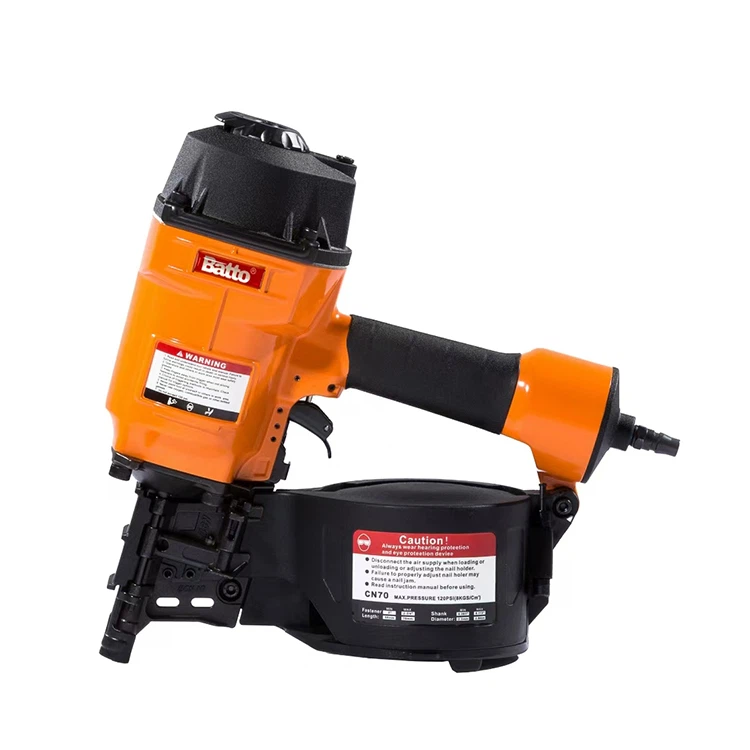
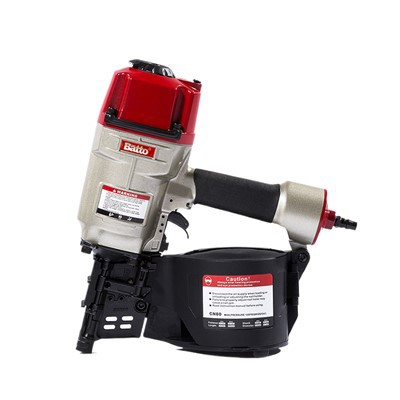
Can an air stapler be used for attaching wall paneling? Well, let me tell you, as an air stapler supplier, I get this question a lot. And the answer is a big fat yes! Air staplers can be a game-changer when it comes to installing wall paneling, and I'm here to break it all down for you.
First off, what exactly is an air stapler? It's a pneumatic tool that uses compressed air to drive staples into various materials. They come in different shapes and sizes, each designed for specific tasks. When it comes to wall paneling, an air stapler offers several advantages over traditional methods.
One of the main benefits is speed. Using an air stapler, you can attach wall paneling much faster than if you were using a hammer and nails. This is especially important if you're working on a large project. You won't have to waste time lining up each nail and hammering it in; just pull the trigger, and the staple goes in. It can save you hours, if not days, of work.
Another advantage is consistency. Air staplers drive staples in at a consistent depth and angle, which means your wall paneling will look professional and even. With a hammer and nails, it's easy to end up with unevenly placed nails or ones that are driven in too deeply or not deeply enough. This can make your wall paneling look shoddy and unprofessional.
Now, let's talk about the types of air staplers that are suitable for wall paneling. There are a few different options out there, and the one you choose will depend on the type of wall paneling you're using and your personal preferences.
The 8016 Heavy Duty Pneumatic Air Staple Gun for Roof is a great choice if you're working with thicker or heavier wall paneling. This heavy-duty stapler can handle larger staples, which provides a stronger hold. It's built to last and can withstand the rigors of a big project. Whether you're installing hardwood paneling or thick MDF, this stapler can get the job done.
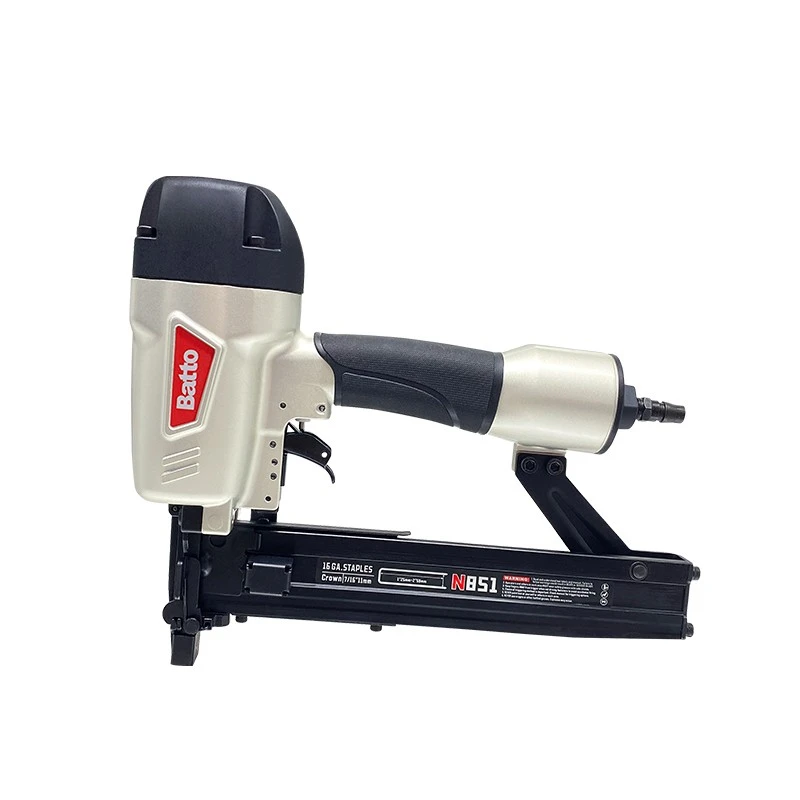
If you're working with lighter materials or doing more delicate work, the N851 Heavy Wire Air Staple Gun for Upholstery Pallet Packing might be a better option. This stapler is designed for lighter staples, which are perfect for attaching thin wall paneling or for projects where you don't want the staples to be too visible. It's also great for upholstery work, so if you're planning to add some decorative touches to your wall paneling, this stapler can come in handy.
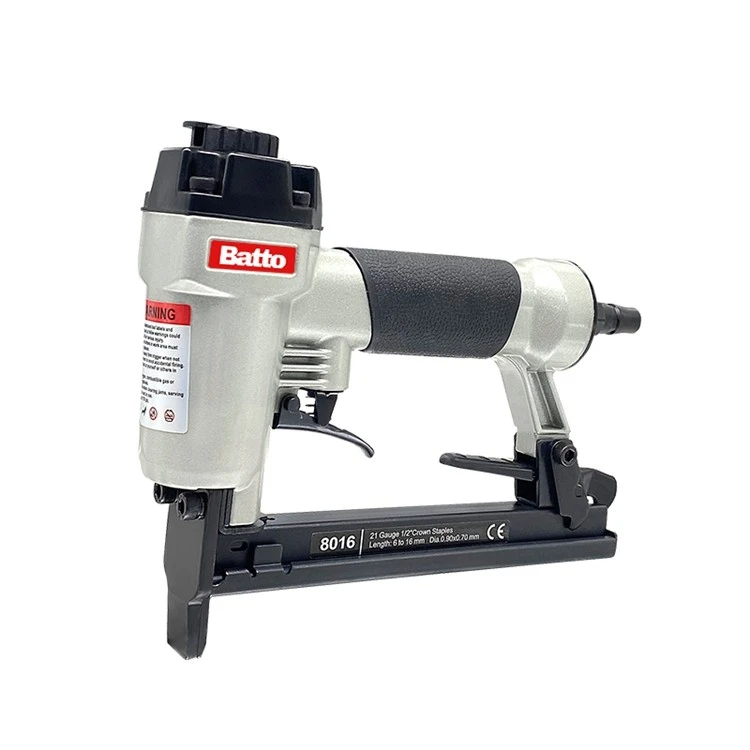
The 21 Gauge 1 2 Inch Wide Crown Pneumatic Stapler Gun is another popular choice for wall paneling. The 21-gauge staples are a good balance between strength and visibility. They're strong enough to hold the paneling in place but not so large that they'll be overly noticeable. The wide crown of the staples also provides a larger surface area for holding the paneling, which helps to prevent it from pulling away from the wall.
Before you start using an air stapler for wall paneling, there are a few things you need to keep in mind. First, make sure you have the right type of staples for your stapler and your wall paneling. Using the wrong staples can lead to jams, poor performance, and even damage to your stapler.
You also need to adjust the air pressure on your stapler correctly. If the pressure is too high, the staples might be driven in too deeply and damage the wall paneling. If the pressure is too low, the staples might not go in all the way, and the paneling won't be securely attached. Most air staplers come with an adjustable air pressure regulator, so you can find the perfect setting for your project.
When you're actually installing the wall paneling, start by marking the studs on the wall. This will help you know where to place the staples for the best hold. You want to make sure the staples go into the studs, as this will provide the most support for the paneling.
Hold the stapler at a 90-degree angle to the wall paneling and pull the trigger firmly. Make sure the stapler is in contact with the paneling to ensure a proper staple drive. Work your way across the paneling, spacing the staples evenly. A good rule of thumb is to place staples about 6 to 8 inches apart.
Once you've attached the paneling, you can use a putty knife to fill in the staple holes with wood filler or spackle. This will make the staples less visible and give your wall a smooth, finished look.
In conclusion, an air stapler is an excellent tool for attaching wall paneling. It offers speed, consistency, and a professional finish. Whether you're a DIY enthusiast or a professional contractor, using an air stapler can make your wall paneling project much easier and more enjoyable.
If you're interested in purchasing an air stapler for your wall paneling project or have any questions about which stapler is right for you, don't hesitate to reach out. We're here to help you find the perfect tool for the job.
References
- General knowledge about pneumatic tools and wall paneling installation.