As a seasoned supplier of pneumatic nail gun nozzles, I've witnessed firsthand the critical role that the right type of nails plays in the performance and efficiency of these powerful tools. In this blog post, I'll delve into the various types of nails suitable for pneumatic nail gun nozzles, offering insights based on my years of experience in the industry.
Understanding the Basics of Pneumatic Nail Guns
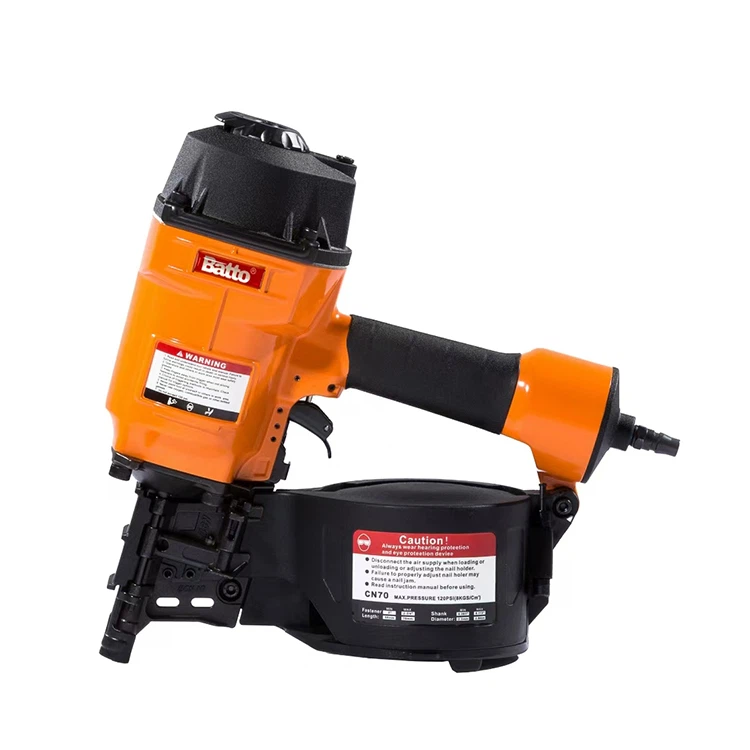
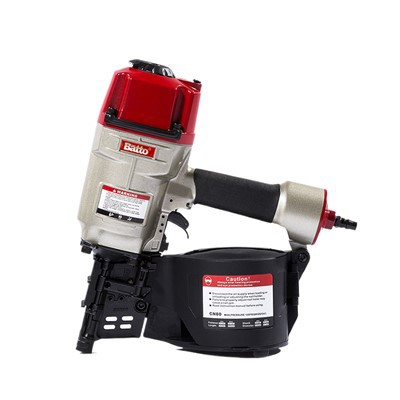
Before we explore the different types of nails, it's essential to understand how pneumatic nail guns work. These tools utilize compressed air to drive nails into various materials, such as wood, plastic, and metal. The nail gun nozzle is a crucial component that guides the nail into the material and ensures a precise and consistent drive.
The choice of nails for a pneumatic nail gun nozzle depends on several factors, including the type of material being fastened, the thickness of the material, and the specific application. Using the wrong type of nails can lead to poor performance, damage to the nail gun, and even safety hazards.
Common Types of Nails for Pneumatic Nail Guns
Brad Nails
Brad nails are thin, small-gauge nails typically used for light-duty applications, such as trim work, molding, and cabinetry. They are available in various lengths, ranging from 5/8 inch to 2 inches. Brad nails are ideal for projects where a small, discreet nail head is desired, as they leave minimal holes in the material.
One of the advantages of using brad nails is that they are less likely to split the wood, making them suitable for delicate or thin materials. However, they may not provide as much holding power as larger nails, so they are not recommended for heavy-duty applications.
Finish Nails
Finish nails are slightly thicker and stronger than brad nails, making them suitable for more substantial trim work and general carpentry. They are available in lengths ranging from 1 inch to 4 inches and are commonly used for attaching baseboards, crown molding, and door casings.
Finish nails have a larger head than brad nails, which provides more holding power. However, the larger head also means that they leave a slightly larger hole in the material, which may require filling and sanding for a smooth finish.
Staples
Staples are another type of fastener commonly used with pneumatic nail guns. They are available in various sizes and shapes, including narrow crown staples and wide crown staples. Narrow crown staples are typically used for attaching thin materials, such as upholstery, insulation, and roofing felt. Wide crown staples, on the other hand, are used for heavier applications, such as sheathing, subflooring, and decking.
Staples offer several advantages over nails, including faster installation times and better holding power in some applications. However, they may not be suitable for all types of materials, and they may leave a more visible mark on the surface.
Framing Nails
Framing nails are large, heavy-duty nails used for structural framing and construction projects. They are available in lengths ranging from 2 inches to 3-1/2 inches and are typically used for attaching studs, joists, and rafters.


Framing nails have a large head and a thick shank, which provides excellent holding power and stability. They are designed to withstand the high forces generated during the construction process and are essential for ensuring the structural integrity of a building.
Flooring Nails
Flooring nails are specifically designed for installing hardwood flooring. They are typically thin, small-gauge nails with a special shape that allows them to be driven at an angle into the tongue of the flooring boards. Flooring nails are available in various lengths, depending on the thickness of the flooring.
Using the right type of flooring nails is crucial for ensuring a secure and long-lasting installation. The nails should be long enough to penetrate the subfloor and provide sufficient holding power, but not so long that they damage the flooring or protrude through the surface.
Factors to Consider When Choosing Nails
When choosing nails for a pneumatic nail gun nozzle, there are several factors to consider:
- Material Type: Different materials require different types of nails. For example, hardwoods may require stronger nails than softwoods, while metal and plastic materials may require specialized nails.
- Thickness of the Material: The thickness of the material being fastened will determine the length of the nails needed. As a general rule, the nails should be at least three times the thickness of the material.
- Application: The specific application will also influence the choice of nails. For example, finish work may require smaller, more discreet nails, while structural framing may require larger, stronger nails.
- Nail Gun Compatibility: Not all nails are compatible with all pneumatic nail guns. It's essential to check the manufacturer's recommendations to ensure that the nails you choose are suitable for your nail gun.
Maintenance and Replacement of Pneumatic Nail Gun Nozzles
In addition to choosing the right type of nails, it's also important to maintain and replace your pneumatic nail gun nozzles regularly. Over time, the nozzle can become worn or damaged, which can affect the performance of the nail gun and lead to misfires or inconsistent nail drives.
To maintain your nail gun nozzle, it's recommended to clean it regularly with a soft brush and compressed air. You should also inspect the nozzle for signs of wear or damage, such as cracks, chips, or bent parts. If you notice any issues, it's important to replace the nozzle immediately to prevent further damage to the nail gun.
As a supplier of pneumatic nail gun nozzles, we also offer a range of replacement parts, including Pneumatic Nail Gun O-ring Seal Kit, Pneumatic Nail Gun Buffer Pad, and Nail Gun Balance Valve. These parts are essential for ensuring the proper functioning of your nail gun and can help extend its lifespan.
Conclusion
Choosing the right type of nails for a pneumatic nail gun nozzle is essential for achieving optimal performance and results. By considering the factors discussed in this blog post, you can select the appropriate nails for your specific application and ensure a secure and long-lasting installation.
If you have any questions or need further assistance in choosing the right nails or replacement parts for your pneumatic nail gun, please don't hesitate to contact us. We are here to help you find the best solutions for your needs and provide you with the highest quality products and services.
References
- Woodworking Magazine. (2023). Choosing the Right Nail for the Job.
- The Family Handyman. (2023). How to Use a Pneumatic Nail Gun.
- This Old House. (2023). Types of Nails and Their Uses.