Hey there! As a supplier of pneumatic nail guns for siding, I often get asked about the recommended nail gauge for these tools. It's a crucial question because choosing the right nail gauge can make or break your siding project. So, let's dive into this topic and figure out what gauge is best for your pneumatic nail gun when it comes to siding.


First off, what exactly is nail gauge? Nail gauge is a measure of the nail's thickness. The lower the gauge number, the thicker the nail. For example, a 15 - gauge nail is thicker than an 18 - gauge nail. Different siding materials and applications require different nail gauges to ensure a secure and long - lasting installation.
Factors Affecting Nail Gauge Selection
Siding Material
The type of siding you're using is the most significant factor in determining the right nail gauge.
- Vinyl Siding: Vinyl is a popular choice for siding because it's affordable, low - maintenance, and comes in a variety of colors. For vinyl siding, an 18 - gauge nail is usually recommended. These nails are thin enough to prevent the vinyl from cracking or splitting when driven in, but they're still strong enough to hold the siding in place. The relatively small size of the 18 - gauge nail also leaves a smaller hole in the vinyl, reducing the risk of water infiltration.
- Wood Siding: Wood siding gives a classic and natural look to a home. Depending on the type of wood and the thickness of the siding, you can use either 15 - gauge or 16 - gauge nails. Hardwoods like oak or cedar may require the stronger 15 - gauge nails to penetrate and hold securely. Softer woods, on the other hand, can often be installed with 16 - gauge nails. These thicker nails provide excellent holding power, which is essential for wood siding that may expand and contract with changes in temperature and humidity.
- Fiber Cement Siding: Fiber cement siding is durable, fire - resistant, and can mimic the look of wood. It's a bit more dense than vinyl or wood, so a 15 - gauge nail is typically the best choice. The 15 - gauge nail can penetrate the fiber cement without causing it to break or chip, and it provides the necessary strength to keep the siding firmly attached to the structure.
Siding Thickness
Thicker siding generally requires a thicker nail for proper installation. If the siding is thin, using a nail that's too thick can cause the siding to split or crack. Conversely, if the siding is thick and you use a nail that's too thin, it may not provide enough holding power, and the siding could come loose over time.
Wind and Weather Conditions
If you live in an area with high winds or extreme weather conditions, you'll want to use a thicker nail to ensure the siding stays in place. A 15 - gauge nail is a better option in these situations as it offers more resistance to the forces exerted by the wind and other environmental factors.
Common Nail Gauges for Siding and Their Applications
18 - Gauge Nails
- Advantages: As mentioned earlier, 18 - gauge nails are great for vinyl siding. They're also relatively easy to drive, which can speed up the installation process. They're less likely to cause damage to delicate siding materials.
- Disadvantages: They have less holding power compared to thicker nails. So, they may not be suitable for areas with high wind loads or for heavy - duty siding applications.
16 - Gauge Nails
- Advantages: These nails offer a good balance between holding power and the ability to penetrate various siding materials. They're suitable for softer wood siding and can also be used in some light - to - medium - duty fiber cement siding applications.
- Disadvantages: They're a bit more difficult to drive than 18 - gauge nails, and they may leave a slightly larger hole in the siding.
15 - Gauge Nails
- Advantages: 15 - gauge nails are the strongest of the commonly used nail gauges for siding. They're ideal for hardwood siding, thick fiber cement siding, and areas with high wind loads. They provide excellent long - term holding power.
- Disadvantages: They require more power to drive, which means you need a more powerful pneumatic nail gun. They also leave a larger hole in the siding, which may require more careful sealing to prevent water infiltration.
Our Pneumatic Nail Guns for Siding
We offer a range of pneumatic nail guns that are suitable for different nail gauges and siding applications.
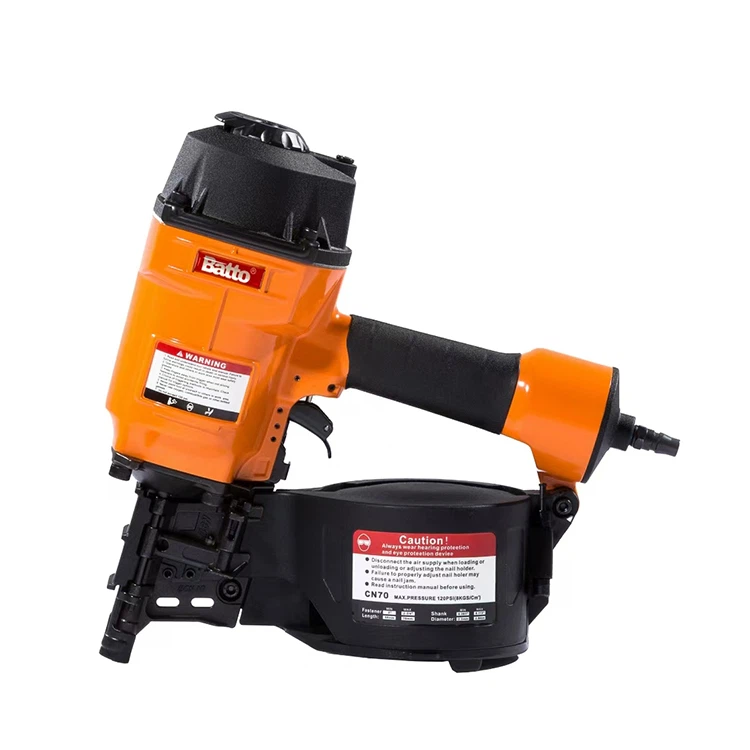
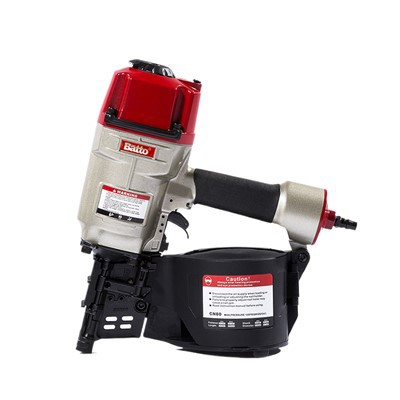
- The CN55 Pneumatic Coil Siding Nailer for Pallet Fence Framing and Roofing is a versatile tool that can handle 15 - gauge and 16 - gauge nails. It's perfect for siding projects where you need a bit more power and holding strength. Whether you're working on a wood or fiber cement siding job, this nailer can get the job done efficiently.
- The CN55 Pneumatic Industry Coil Nail Gun is another great option. It's designed for heavy - duty use and can drive 15 - gauge nails with ease. This nail gun is built to last and is suitable for large - scale siding projects.
- If you're looking for a nailer that can handle 18 - gauge nails for vinyl siding, the MAX Style Cn80 Pneumatic Coil Nailer for Framing and Siding is a great choice. It's lightweight and easy to maneuver, making it ideal for quick and precise installations.
Conclusion
Choosing the right nail gauge for your pneumatic nail gun when siding is essential for a successful and long - lasting installation. Consider the type of siding material, its thickness, and the local weather conditions when making your decision. We're here to help you find the perfect nail gun and nail gauge combination for your project.
If you're interested in purchasing our pneumatic nail guns for siding or have any questions about nail gauges, feel free to reach out for a purchase negotiation. We're happy to assist you in getting the best tools for your siding needs.
References
- "Nail Selection Guide for Siding Installation", National Association of Home Builders.
- "Siding Installation Best Practices", American Society of Civil Engineers.