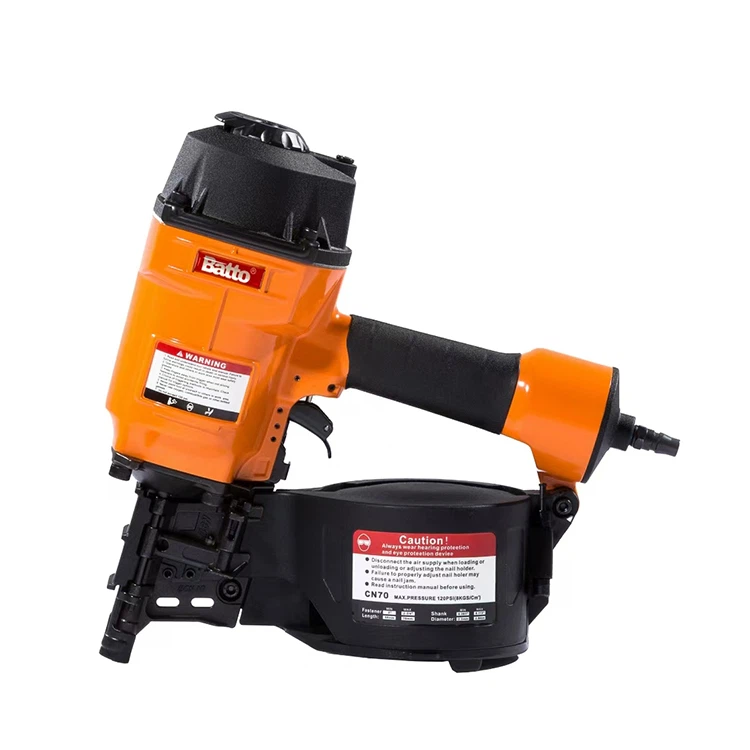
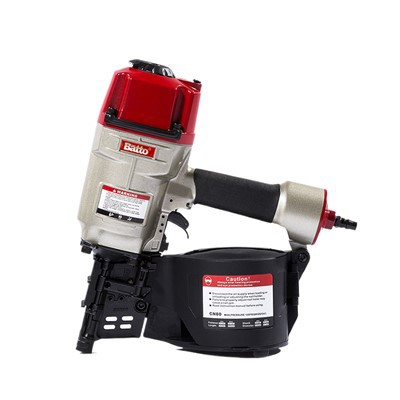
Hey there! As a supplier of Heavy Duty Coil Siding Nailers, I've gotten tons of questions about how these bad boys work. So, I thought I'd break down the firing mechanism of a Heavy Duty Coil Siding Nailer for you all.
The Basics of a Heavy Duty Coil Siding Nailer
First off, let's talk about what a Heavy Duty Coil Siding Nailer is. It's a powerful tool designed to drive nails into various materials, mainly used for siding and framing work. These nailers are built to handle tough jobs, which means they need a reliable firing mechanism.
The Key Components
Before we dive into the firing mechanism, let's quickly go over the key components of a Heavy Duty Coil Siding Nailer.
- Air Inlet: This is where the compressed air enters the nailer. Compressed air is the power source for most pneumatic nailers, including our heavy - duty ones.
- Cylinder and Piston: The cylinder is like a chamber where the piston moves. When the compressed air enters, it pushes the piston down, which in turn drives the nail.
- Nail Magazine: This is where the coil of nails is loaded. The magazine feeds the nails one by one into the firing position.
- Trigger: The trigger is what you press to initiate the firing process. It controls the flow of compressed air into the cylinder.
The Firing Process Step by Step
Now, let's get into the nitty - gritty of the firing mechanism.
Step 1: Loading the Nails
First, you need to load the coil of nails into the nail magazine. Make sure the nails are properly aligned and seated in the magazine. Our Heavy Duty Coil Siding Nailers are designed to accept different sizes and types of nails, depending on the model. For example, the CN100 Pneumatic Coil Siding Nailer Gun for Siding and Framing can handle a wide range of nail sizes, making it very versatile for different projects.
Step 2: Connecting the Air Supply
Next, you connect the nailer to a compressed air source using an air hose. The air inlet on the nailer is where you attach the hose. Once connected, the compressed air is ready to be used to power the nailer.
Step 3: The Trigger Action
When you press the trigger, it opens a valve that allows the compressed air to flow into the cylinder. The trigger is the key control point in the firing process. It's designed to be easy to operate, even with gloves on, so you can work comfortably and efficiently.
Step 4: Piston Movement
As the compressed air enters the cylinder, it creates pressure. This pressure forces the piston to move down rapidly. The piston is connected to a driver blade, which is what actually hits the nail.
Step 5: Driving the Nail
The driver blade, pushed by the piston, strikes the nail at the firing position. This impact drives the nail into the material you're working on, whether it's wood, siding, or other suitable surfaces. The force of the impact is determined by the pressure of the compressed air and the design of the nailer. Our CN55 Pneumatic Industry Coil Nail Gun is known for its strong driving force, making it great for heavy - duty applications.


Step 6: Returning the Piston
After the nail is driven, the air pressure in the cylinder is released. A spring or a return mechanism then pushes the piston back up to its original position. This readies the nailer for the next firing cycle.
Step 7: Feeding the Next Nail
As the piston returns, the nail magazine advances the next nail into the firing position. This is done automatically, so you can keep working without having to manually position each nail.
Safety Features in the Firing Mechanism
Safety is a top priority when it comes to using a Heavy Duty Coil Siding Nailer. That's why our nailers are equipped with several safety features in the firing mechanism.
One important safety feature is the contact trip and sequential firing modes. In contact trip mode, you can hold the trigger down and just press the nose of the nailer against the material to fire nails continuously. This is great for fast - paced projects. However, it can be a bit dangerous if not used carefully. So, we also have sequential firing mode. In this mode, you have to press the trigger and then press the nose of the nailer against the material for each nail to fire. This reduces the risk of accidental firing.
Another safety feature is the safety tip. The safety tip prevents the nailer from firing unless it's firmly pressed against the material. This helps to avoid accidental nail discharges and keeps you safe on the job.
Different Models and Their Firing Mechanism Tweaks
We have different models of Heavy Duty Coil Siding Nailers, each with its own unique features and tweaks to the firing mechanism.
For example, the CN55 15 Degree Pneumatic Siding Coil Framing Siding Nailer has a 15 - degree angle design. This angle allows for better access in tight spaces and gives you more flexibility when working on different projects. The firing mechanism in this model is optimized to work smoothly with the 15 - degree nail magazine, ensuring reliable nail feeding and driving.
Maintenance for a Smooth Firing Mechanism
To keep your Heavy Duty Coil Siding Nailer firing smoothly, regular maintenance is essential.
First, make sure to keep the air inlet and air hose clean. Any dirt or debris in the air supply can cause problems with the firing mechanism. You should also lubricate the moving parts of the nailer regularly. This includes the piston, driver blade, and any other components that move during the firing process.
Another important maintenance task is to check the nail magazine for any jams or misaligned nails. If the nails aren't feeding properly, it can affect the firing mechanism and cause the nailer to malfunction.
Conclusion
So, there you have it - the firing mechanism of a Heavy Duty Coil Siding Nailer. It's a complex but well - designed system that allows you to drive nails quickly and efficiently. Whether you're a professional contractor or a DIY enthusiast, our Heavy Duty Coil Siding Nailers are built to meet your needs.
If you're interested in purchasing one of our nailers or have any questions about the firing mechanism or our products in general, don't hesitate to reach out. We're here to help you find the perfect tool for your projects.
References
- Manufacturer's manuals for Heavy Duty Coil Siding Nailers
- Industry standards and guidelines for pneumatic nailers