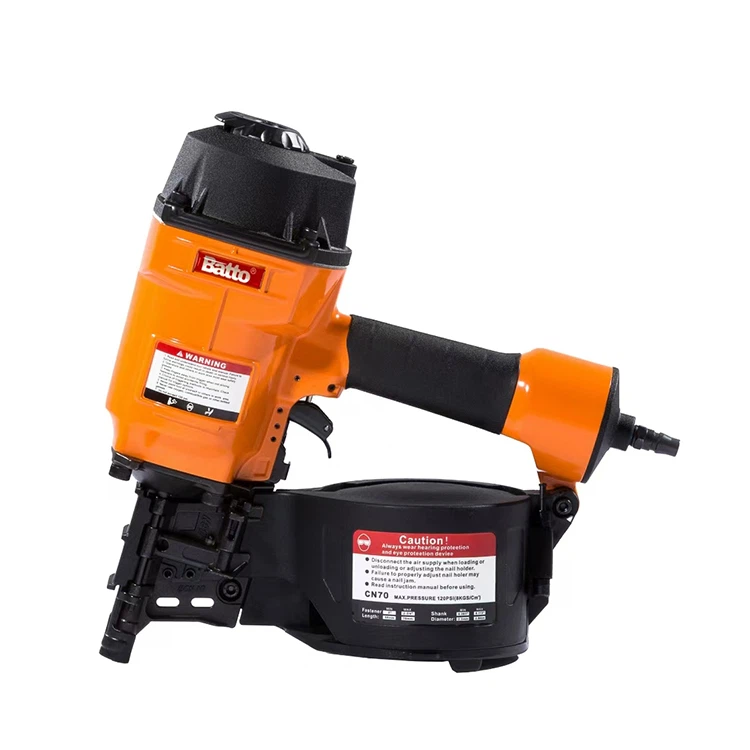
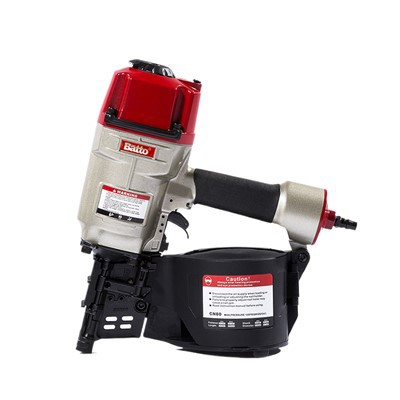
Hey there! As a supplier of industrial pneumatic nail removers, I've seen firsthand how crucial it is to pick the right size for a specific job. Using the wrong-sized nail remover can lead to inefficiency, damage to the workpiece, and even safety hazards. So, let's dive into how you can select the perfect size of an industrial pneumatic nail remover for your next project.
Understanding the Basics of Industrial Pneumatic Nail Removers
First off, let's talk a bit about what industrial pneumatic nail removers are. These tools use compressed air to generate the force needed to pull out nails. They're popular in industries like construction, woodworking, and recycling because they're powerful, fast, and relatively easy to use.
The size of a pneumatic nail remover is mainly determined by its power output, the size of nails it can handle, and its physical dimensions. Power output is usually measured in pounds of pulling force, and it's a key factor in determining what kind of nails the tool can remove.
Factors to Consider When Selecting the Size
1. Nail Size and Type
The most obvious factor to consider is the size and type of nails you'll be removing. Different jobs require the removal of different nails, from small brads used in delicate woodworking projects to large, heavy-duty nails used in construction.
- Small Nails (Brads and Finish Nails): For small nails like brads and finish nails, you don't need a super-powerful nail remover. A tool with a lower pulling force, around 500 - 1000 pounds, should do the trick. These smaller nail removers are also more compact and lightweight, making them easier to maneuver in tight spaces. For example, if you're working on a small furniture repair project, a smaller nail remover will be more suitable.
- Medium Nails (Common Nails and Box Nails): Medium-sized nails, such as common nails and box nails, require a bit more pulling force. A nail remover with a pulling force of 1000 - 2000 pounds should be sufficient. These tools can handle nails ranging from 2d to 8d in size. If you're removing nails from a wooden pallet or a small deck, this type of nail remover would be a good choice.
- Large Nails (Spikes and Joist Hanger Nails): When dealing with large nails like spikes and joist hanger nails, you'll need a powerful nail remover with a pulling force of 2000 pounds or more. These heavy-duty tools are designed to handle the toughest jobs, such as removing nails from old buildings or heavy timber structures.
2. Workpiece Material
The material of the workpiece also plays a role in determining the size of the nail remover. Different materials have different densities and hardness levels, which can affect how easily nails can be removed.
- Softwoods (Pine, Cedar, etc.): Softwoods are relatively easy to work with, and you can usually get away with using a less powerful nail remover. The lower density of softwoods means that nails can be removed with less force. However, you still need to be careful not to damage the wood.
- Hardwoods (Oak, Maple, etc.): Hardwoods are denser and more difficult to penetrate, so you'll need a more powerful nail remover to pull out nails. The higher pulling force helps to overcome the resistance of the hardwood and ensures that the nails are removed cleanly.
- Other Materials (Concrete, Metal Framing): If you're removing nails from materials like concrete or metal framing, you'll need an extremely powerful nail remover. These materials are very hard and require a lot of force to remove nails. Specialized nail removers designed for these applications are available, but they tend to be larger and more expensive.
3. Workspace Constraints
The size of the workspace where you'll be using the nail remover is another important factor. If you're working in a tight space, such as inside a wall cavity or under a floor, you'll need a compact and maneuverable nail remover.
- Compact Tools: Compact nail removers are designed to be used in confined spaces. They have a smaller footprint and are easier to handle in tight quarters. Some models even have a slim profile or a flexible head, which allows them to reach nails in hard-to-access areas.
- Larger Tools: On the other hand, if you have plenty of space to work in, such as on a large construction site or in a woodworking shop, you can use a larger, more powerful nail remover. These tools are usually more robust and can handle heavier workloads, but they may be more difficult to maneuver in tight spaces.
4. Frequency of Use
How often you'll be using the nail remover also affects the size you should choose. If you're a professional who uses the tool on a daily basis, you'll want a high-quality, durable nail remover that can withstand heavy use.


- Occasional Use: For occasional use, you can get away with a less expensive, less powerful nail remover. These tools are usually more affordable and still get the job done for small projects. However, they may not be as durable as professional-grade tools.
- Frequent Use: If you're using the nail remover frequently, it's worth investing in a higher-quality, more powerful tool. Professional-grade nail removers are built to last and can handle the rigors of daily use. They also tend to have better warranties and customer support.
Recommended Industrial Pneumatic Nail Removers for Different Jobs
1. For Small-Scale Projects
If you're working on small-scale projects like furniture repair or small woodworking jobs, the NP50 Pneumatic Nail Extractor Tool for Roof is a great choice. It has a moderate pulling force of around 800 pounds, making it suitable for removing small nails. It's also compact and lightweight, so you can easily maneuver it in tight spaces.
2. For Medium-Scale Projects
For medium-scale projects like deck repair or general construction work, the NP55 Air Powered Pneumatic Nail Puller Extractor is a good option. It has a pulling force of around 1500 pounds, which is enough to handle medium-sized nails. It's also relatively easy to use and has a good balance of power and maneuverability.
3. For Heavy-Duty Projects
If you're working on heavy-duty projects like demolition or large construction jobs, the BATTO BD70 Pneumatic Nail Remover Gun Air Nailer for Wood Recycled is the way to go. It has a powerful pulling force of over 2500 pounds, making it capable of removing large nails from tough materials. It's a bit larger and heavier than the other two tools, but it's built to handle the toughest jobs.
Conclusion
Selecting the right size of an industrial pneumatic nail remover for a specific job is essential for getting the job done efficiently and safely. By considering factors like nail size and type, workpiece material, workspace constraints, and frequency of use, you can choose the tool that's best suited for your needs.
If you're still not sure which size of nail remover is right for your project, don't hesitate to reach out to us. We're here to help you make the right choice and ensure that you have the best tool for the job. Whether you're a professional contractor or a DIY enthusiast, we have a wide range of industrial pneumatic nail removers to meet your needs. Contact us today to discuss your requirements and start your procurement process.
References
- "Pneumatic Tools Handbook" - A comprehensive guide to pneumatic tools, including nail removers.
- Industry standards and guidelines for pneumatic nail removers.