Can an Industrial Pneumatic Nail Remover be Used for Removing Nails from Stone?
In the realm of construction and demolition, the need to remove nails efficiently is a common challenge. Industrial pneumatic nail removers have long been trusted tools for tasks such as deconstructing wooden structures, recycling lumber, and more. However, a question that often arises is whether these powerful tools can be used for removing nails from stone. As a supplier of industrial pneumatic nail removers, I am here to explore this topic in depth and provide you with a comprehensive answer.
Understanding Industrial Pneumatic Nail Removers
Before delving into the feasibility of using a pneumatic nail remover on stone, it's essential to understand how these tools work. Industrial pneumatic nail removers are powered by compressed air, which provides the force necessary to grip and pull nails from various materials. They are designed to be fast, efficient, and reliable, making them a popular choice for professionals in the construction and recycling industries.
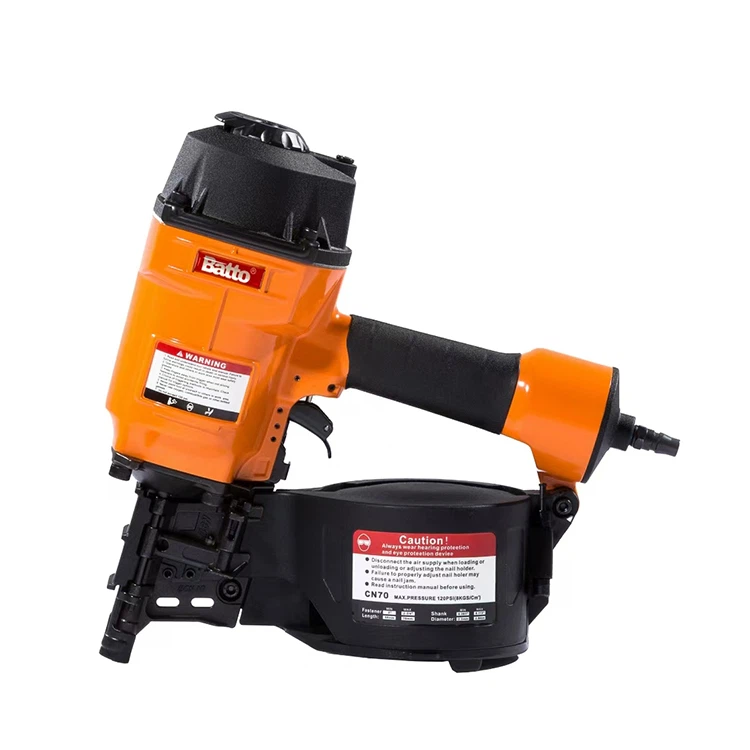
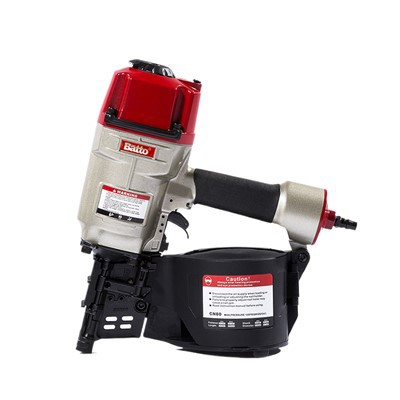
Our company offers a range of high - quality pneumatic nail removers, including the NP50 Pneumatic Nail Extractor Tool for Roof, the NP55 Air Powered Pneumatic Nail Puller Extractor, and the BATTO NP50 Pneumatic Air Nail Remover for Wood Recycle. These tools are engineered to handle different types of nails and materials, but their primary application has been in wooden structures.
The Challenges of Removing Nails from Stone
Stone is a much harder and more brittle material compared to wood. When a nail is driven into stone, it often creates a tight bond due to the stone's density. Unlike wood, which can flex and give way to the pulling force of a nail remover, stone is less forgiving.
One of the main challenges is the risk of damaging the stone. The force exerted by a pneumatic nail remover could cause the stone to crack or chip, especially if the nail is deeply embedded or if the stone is of a delicate type such as marble or limestone. Additionally, the surface of the stone may be scratched or marred during the nail - removal process.
Another issue is the grip of the nail remover. Pneumatic nail removers are typically designed to grip the head or shank of a nail firmly. However, in stone, the nail may be surrounded by a hard layer of the material, making it difficult for the tool to get a proper grip. This can lead to the nail slipping out of the tool's grasp or the tool being unable to start the pulling process at all.
Potential Solutions and Considerations
Despite the challenges, there are some scenarios where an industrial pneumatic nail remover might be used for removing nails from stone with proper precautions.
First, the type of stone matters. Harder stones like granite are more likely to withstand the force of a nail remover compared to softer stones. If the stone is thick and well - supported, the risk of cracking or chipping can be reduced.
Second, the design of the nail remover can play a crucial role. Some nail removers come with adjustable jaws or attachments that can be modified to better grip nails in stone. For example, a wider - jawed attachment might provide a more secure grip on the nail head, even when it is partially buried in the stone.
It's also important to approach the nail - removal process slowly and carefully. Start with a lower air pressure setting on the pneumatic nail remover to test the stone's reaction. If the stone shows no signs of damage, gradually increase the pressure as needed.
When to Avoid Using a Pneumatic Nail Remover on Stone
There are certain situations where using a pneumatic nail remover on stone is not advisable. If the stone is a valuable or decorative piece, such as an antique stone carving or a high - end stone countertop, the risk of damage is simply too great. In these cases, alternative methods such as using a small chisel and hammer to carefully chip away at the stone around the nail may be more appropriate.
Also, if the nail is extremely rusted or corroded and has fused with the stone, a pneumatic nail remover may not be able to remove it without causing significant damage to the stone. In such cases, it's best to consult a professional who has experience in dealing with difficult nail - removal situations.
Other Options for Removing Nails from Stone
If using a pneumatic nail remover is not a viable option, there are other methods available. Chemical solvents can be used to dissolve the rust or corrosion on the nail, making it easier to remove. However, this method is time - consuming and may not be suitable for all types of nails or stones.
Another option is to use a diamond - tipped drill bit to carefully drill around the nail, weakening the bond between the nail and the stone. Once the bond is weakened, the nail can be removed more easily with a pair of pliers or a small pry bar.
Conclusion
In conclusion, while it is possible to use an industrial pneumatic nail remover for removing nails from stone in some circumstances, it is not without risks. The hardness and brittleness of stone pose significant challenges, and the potential for damage to the stone must be carefully considered.
As a supplier of industrial pneumatic nail removers, we understand the importance of providing our customers with the right tools for the job. Our range of nail removers, including the NP50 Pneumatic Nail Extractor Tool for Roof, NP55 Air Powered Pneumatic Nail Puller Extractor, and BATTO NP50 Pneumatic Air Nail Remover for Wood Recycle, are designed to be versatile, but their use on stone should be approached with caution.


If you are considering using our pneumatic nail removers for removing nails from stone or any other application, we encourage you to contact us for more information and advice. Our team of experts can help you determine the best tool for your specific needs and provide guidance on how to use it safely and effectively.
References
- Construction Materials Handbook: A Guide to Selection, Specifications, and Design. McGraw - Hill.
- Industrial Tool Manuals: Pneumatic Nail Removers. Manufacturer's Guides.