Can a buffer pad reduce the risk of nail bending in a pneumatic nail gun?
In the construction and woodworking industries, pneumatic nail guns are indispensable tools, offering efficiency and precision in fastening nails. However, one common issue that users often encounter is nail bending. This not only affects the quality of the work but also wastes time and materials. As a supplier of Pneumatic Nail Gun Buffer Pad, I am frequently asked whether a buffer pad can effectively reduce the risk of nail bending in a pneumatic nail gun. In this blog post, I will delve into this question based on scientific principles and practical experience.
Understanding the Mechanism of Pneumatic Nail Guns
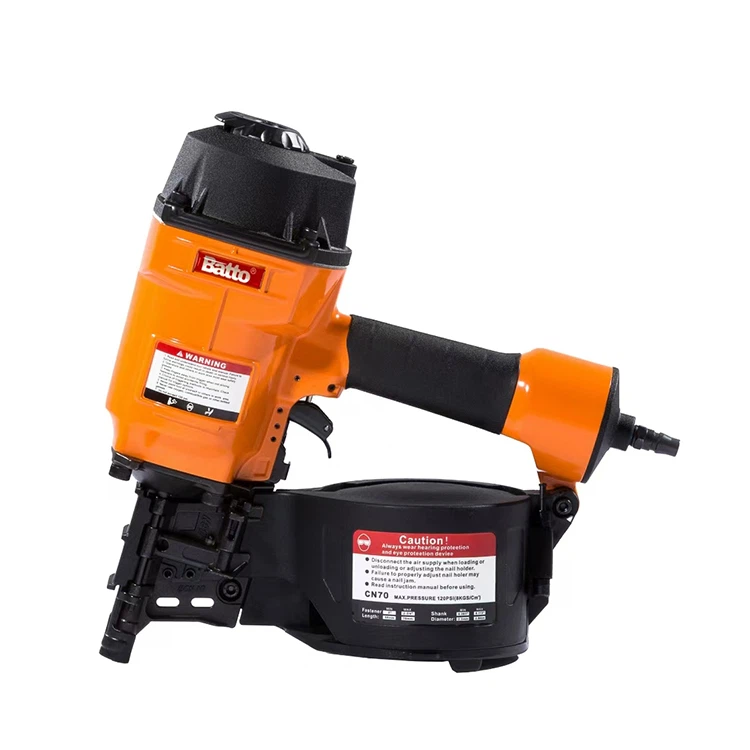
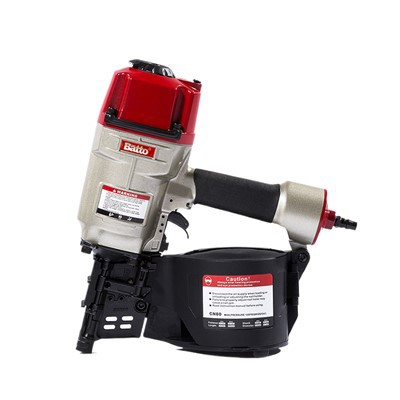
Before discussing the role of buffer pads, it is essential to understand how pneumatic nail guns work. A pneumatic nail gun operates by using compressed air to drive a piston, which in turn pushes the nail into the material. When the trigger is pulled, compressed air enters the cylinder, creating a high - pressure environment that forces the piston to move rapidly. This sudden and forceful movement transfers energy to the nail, driving it into the workpiece.
However, this high - speed and high - force operation can sometimes lead to nail bending. Several factors contribute to this problem. Firstly, if the surface of the workpiece is uneven, the nail may not enter straight, causing it to bend. Secondly, the impact force generated by the piston can be too strong, especially in some high - power pneumatic nail guns. If the nail cannot withstand this force, it will bend. Additionally, the quality of the nail itself, such as its hardness and straightness, also plays a role.
The Function of a Buffer Pad
A buffer pad is a small but crucial component in a pneumatic nail gun. It is usually made of rubber or other elastic materials and is installed at the end of the piston or in the nail gun's housing. The primary function of the buffer pad is to absorb and dampen the impact energy generated during the operation of the nail gun.


When the piston moves forward to drive the nail, it creates a significant amount of kinetic energy. Without a buffer pad, this energy is directly transferred to the nail and the surrounding components of the nail gun. The buffer pad acts as a shock absorber, reducing the peak impact force by gradually dissipating the energy over a longer period. This helps to ensure a more controlled and stable transfer of energy to the nail.
In terms of reducing the risk of nail bending, the buffer pad plays a vital role. By reducing the peak impact force, it prevents the nail from being subjected to excessive stress. This allows the nail to enter the workpiece more smoothly and straightly. Moreover, the buffer pad can also protect other components of the nail gun from damage caused by the high - impact force, such as the piston and the housing.
Scientific Evidence and Practical Experience
Numerous scientific studies and practical tests have demonstrated the effectiveness of buffer pads in reducing nail bending. In a laboratory experiment, researchers compared the performance of pneumatic nail guns with and without buffer pads. They found that in the nail guns equipped with buffer pads, the rate of nail bending was significantly lower.
In practical applications, many professional carpenters and construction workers have also reported positive results. They have noticed that when using nail guns with buffer pads, they encounter fewer bent nails, which improves the overall quality and efficiency of their work. For example, in a large - scale woodworking project, where thousands of nails are used, the reduction in nail bending can save a considerable amount of time and materials.
Other Related Components
While the buffer pad is an important factor in reducing nail bending, other components of the pneumatic nail gun also contribute to its overall performance. For instance, Pneumatic Nailers Cylinders play a crucial role in generating the necessary force to drive the nail. A well - designed cylinder can ensure a smooth and consistent movement of the piston, which is essential for straight nail insertion.
The Nail Gun Balance Valve is another important component. It helps to regulate the air pressure inside the nail gun, ensuring that the force applied to the piston is stable and appropriate. By maintaining a balanced air pressure, the balance valve can also contribute to reducing the risk of nail bending.
Conclusion
In conclusion, a buffer pad can indeed reduce the risk of nail bending in a pneumatic nail gun. Through its function of absorbing and dampening the impact energy, it provides a more controlled and stable environment for the nail to be driven into the workpiece. This not only improves the quality of the work but also extends the service life of the nail gun by protecting its internal components.
However, it is important to note that the buffer pad is just one part of the overall system. Other components such as the cylinders and balance valves also need to be in good condition and properly maintained to ensure the optimal performance of the pneumatic nail gun.
If you are in the market for high - quality pneumatic nail gun components, including buffer pads, Pneumatic Nailers Cylinders, and Nail Gun Balance Valve, we are here to serve you. Our products are designed and manufactured to the highest standards, ensuring reliability and performance. We welcome you to contact us for more information and to discuss your procurement needs. We are confident that our products will meet your requirements and help you achieve better results in your construction and woodworking projects.
References
- "Engineering Principles of Pneumatic Tools" - A technical manual on the operation and design of pneumatic tools.
- "Practical Guide to Pneumatic Nail Gun Maintenance" - A handbook for carpenters and construction workers on maintaining pneumatic nail guns.
- "Research on the Impact Energy Absorption of Rubber Materials in Pneumatic Tools" - A scientific research paper on the use of rubber - based buffer pads in pneumatic tools.