When it comes to siding installation, choosing the right nailer can significantly impact the efficiency and quality of the job. Two popular options in the market are coil and stick nailers. As a supplier of Heavy Duty Coil Siding Nailers, I've had extensive experience with both types of nailers and understand their unique features and applications. In this blog, I'll delve into the differences between coil and stick nailers for siding, helping you make an informed decision for your next project.
Design and Nail Capacity
One of the most apparent differences between coil and stick nailers lies in their design and nail capacity. A stick nailer, as the name suggests, uses nails that are collated in a straight strip. These strips typically hold between 20 to 30 nails, depending on the nail size and the nailer model. The compact design of stick nailers makes them lightweight and easy to maneuver, especially in tight spaces or when working overhead.
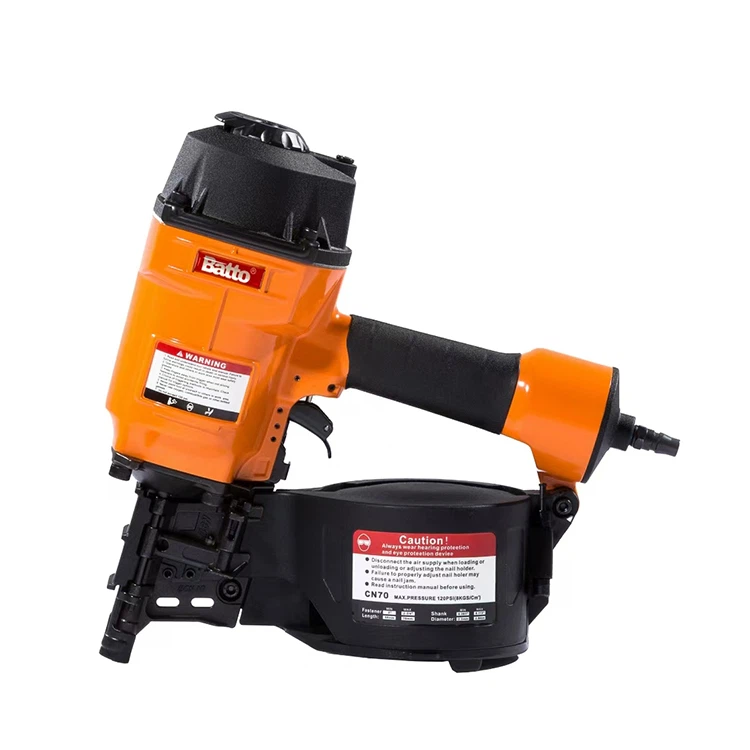
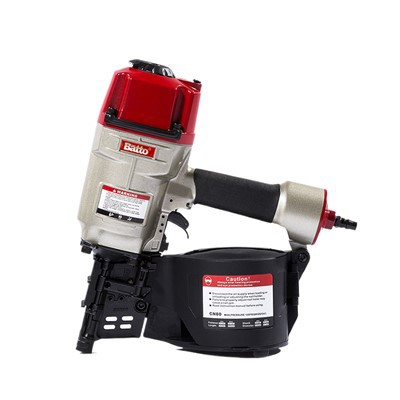
On the other hand, a coil nailer uses nails that are collated in a coil. The coil can hold a much larger number of nails, often ranging from 100 to 300 nails, depending on the nail size and the coil capacity of the nailer. This high nail capacity reduces the frequency of reloading, allowing for continuous and efficient nailing, which is particularly beneficial for large siding projects.
Nailing Angle and Versatility
Another significant difference is the nailing angle. Stick nailers usually have a 90-degree nailing angle, which means the nails are driven straight into the material. This straight nailing angle provides excellent holding power and is ideal for applications where precise and perpendicular nailing is required, such as installing siding boards.
Coil nailers, however, come in various nailing angles, typically ranging from 15 to 34 degrees. The angled nailing design allows for easier access to tight corners and edges, making coil nailers more versatile in different siding installation scenarios. For example, when installing siding around windows or doors, the angled nailing of a coil nailer can reach areas that a stick nailer might struggle to access.


Holding Power and Nail Placement
The holding power of nails is crucial for the long-term durability of the siding. Stick nails are generally larger in diameter and have a wider head compared to coil nails. This design provides a greater surface area for the nail to grip the material, resulting in better holding power. Stick nails are less likely to pull out or loosen over time, making them a preferred choice for applications where high holding strength is required, such as attaching heavy siding materials.
Coil nails, while smaller in diameter and head size, are still capable of providing sufficient holding power for most siding applications. The close spacing of the nails in a coil pattern also helps distribute the load evenly across the siding, reducing the risk of splitting or cracking the material. However, in some cases, additional fasteners or adhesive may be required to ensure the long-term stability of the siding.
Speed and Efficiency
In terms of speed and efficiency, coil nailers have a clear advantage. The large nail capacity of a coil nailer means fewer interruptions for reloading, allowing for continuous nailing and faster installation times. This is especially beneficial for large siding projects where time is of the essence.
Stick nailers, on the other hand, require more frequent reloading due to their lower nail capacity. While they are still relatively fast and efficient for smaller projects or when working in areas with limited access, the need to stop and reload the nail strip can slow down the overall installation process.
Cost and Maintenance
Cost is another factor to consider when choosing between a coil and stick nailer. Generally, stick nailers are less expensive than coil nailers. They have a simpler design and fewer components, which contributes to their lower cost. Additionally, stick nails are often more affordable than coil nails, making stick nailers a cost-effective option for budget-conscious contractors or DIYers.
In terms of maintenance, both types of nailers require regular cleaning and lubrication to ensure optimal performance. However, coil nailers may require more frequent maintenance due to their more complex design and the potential for jams caused by the coiled nail collation. Stick nailers are generally easier to maintain and less prone to jams, making them a more user-friendly option for those with limited tool maintenance experience.
Our Heavy Duty Coil Siding Nailers
As a supplier of Heavy Duty Coil Siding Nailers, we offer a range of high-quality products designed to meet the needs of professional contractors and DIY enthusiasts. Our Coil Nailer CN80 for Siding Sheathing Wooding Fencing Decking is a versatile and reliable tool that can handle a variety of siding materials, including wood, vinyl, and fiber cement. With its large nail capacity and adjustable depth control, the CN80 allows for efficient and precise nailing, ensuring a professional finish every time.
For fencing projects, our Coil Nail Gun for Fencing is specifically designed to provide the holding power and durability required for outdoor applications. The gun's angled nailing design allows for easy access to tight corners and edges, making it ideal for installing fence boards and panels.
Our CN55 Pneumatic Industry Coil Nail Gun is a heavy-duty tool that is suitable for large-scale siding projects. With its high nail capacity and powerful driving force, the CN55 can handle even the toughest siding materials, ensuring a secure and long-lasting installation.
Conclusion
In conclusion, the choice between a coil and stick nailer for siding depends on several factors, including the size and complexity of the project, the type of siding material, and personal preference. Stick nailers are lightweight, easy to maneuver, and cost-effective, making them a great choice for smaller projects or when working in tight spaces. Coil nailers, on the other hand, offer high nail capacity, versatility, and speed, making them ideal for large siding projects and applications where continuous nailing is required.
If you're in the market for a high-quality coil nailer for your siding project, we invite you to explore our range of products. Our Heavy Duty Coil Siding Nailers are designed to provide the performance and reliability you need to get the job done right. Contact us today to discuss your specific requirements and let us help you find the perfect nailer for your project.
References
- "Nail Guns: A Guide to Choosing the Right One." Family Handyman.
- "Coil vs. Stick Nailers: What's the Difference?" This Old House.
- "Siding Installation: Tips and Tricks." Home Improvement Magazine.