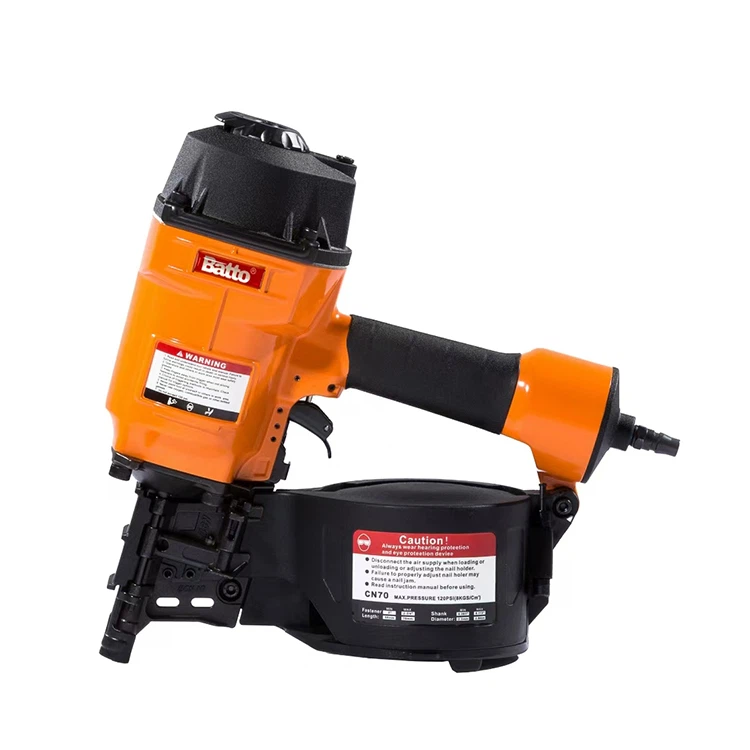
Can an industrial pneumatic nail remover be used for removing nails from plastic? This is a question that often arises among professionals and DIY enthusiasts alike. As a supplier of industrial pneumatic nail removers, I've encountered this query numerous times, and I'm here to provide a comprehensive answer based on scientific knowledge and practical experience.


Understanding Industrial Pneumatic Nail Removers
Industrial pneumatic nail removers are powerful tools designed to remove nails efficiently from various materials. These tools operate using compressed air, which generates a high - force impact to pull out nails. They are commonly used in construction, woodworking, and furniture manufacturing industries, where large volumes of nails need to be removed quickly.
One of our popular products, the NP55 Heavy Duty Pneumatic Air Nail Remover, is a prime example of such a tool. It is built with a robust design and can handle a wide range of nail sizes and types. The Industrial Pneumatic Nail Remover also offers similar capabilities, providing reliable performance for industrial applications. Another option, the BATTO BD70 Pneumatic Nail Remover Gun Air Nailer for Wood Recycled, is specifically designed for tasks related to wood recycling but can also be considered for other applications.
Properties of Plastic
Plastic is a diverse material with a wide range of properties depending on its type. Some plastics are rigid and brittle, while others are flexible and tough. Common types of plastic used in construction and manufacturing include polyvinyl chloride (PVC), polyethylene, and polypropylene.
Rigid plastics, such as PVC, have relatively high stiffness and can withstand a certain amount of force without deforming. However, they are also prone to cracking and breaking under excessive stress. Flexible plastics, on the other hand, can stretch and bend without breaking but may be more difficult to hold in place during nail removal.
Factors to Consider When Using an Industrial Pneumatic Nail Remover on Plastic
1. Force and Impact
Industrial pneumatic nail removers generate a significant amount of force to remove nails. This force can be a double - edged sword when it comes to plastic. On one hand, the force is necessary to pull out the nails. On the other hand, if the force is too high, it can cause the plastic to crack, break, or deform.
For example, in the case of a brittle plastic like PVC, a sudden and strong impact from the nail remover can lead to the formation of cracks around the nail hole. This can compromise the integrity of the plastic and render it useless for its intended purpose.
2. Nail Type and Size
The type and size of the nails also play a crucial role. Nails with larger heads or those that are deeply embedded in the plastic will require more force to remove. If the nail is too large or too deeply set, the pneumatic nail remover may need to apply a greater force, increasing the risk of damage to the plastic.
3. Plastic Thickness
The thickness of the plastic is another important factor. Thicker plastics are generally more resistant to damage during nail removal compared to thinner ones. A thin plastic sheet may be more likely to tear or warp under the force applied by the nail remover.
Advantages of Using an Industrial Pneumatic Nail Remover on Plastic
Despite the potential risks, there are some advantages to using an industrial pneumatic nail remover on plastic.
1. Efficiency
Pneumatic nail removers are much faster than manual methods of nail removal. In a large - scale project where many nails need to be removed from plastic components, using a pneumatic nail remover can save a significant amount of time and labor.
2. Precision
With proper technique and the right tool, it is possible to remove nails from plastic with a high degree of precision. This is especially important when the plastic needs to be reused or when the nail removal process needs to be carried out without causing excessive damage to the surrounding area.
Precautions and Best Practices
If you decide to use an industrial pneumatic nail remover on plastic, here are some precautions and best practices to follow:
1. Test on a Small Area
Before starting the main nail - removal process, test the nail remover on a small, inconspicuous area of the plastic. This will help you determine the appropriate force settings and whether the plastic can withstand the impact of the nail remover.
2. Adjust the Force
Most industrial pneumatic nail removers allow you to adjust the force of the impact. Start with a lower force setting and gradually increase it if necessary. This will minimize the risk of damage to the plastic.
3. Support the Plastic
To prevent the plastic from moving or deforming during nail removal, provide adequate support. You can use clamps or a stable work surface to hold the plastic in place.
4. Use the Right Tip
Some pneumatic nail removers come with different tips for different applications. Choose a tip that is suitable for plastic to ensure a more gentle and effective nail - removal process.
Conclusion
In conclusion, an industrial pneumatic nail remover can be used for removing nails from plastic, but it requires careful consideration of the plastic's properties, the nail type and size, and the application of appropriate precautions. When used correctly, these tools can offer a fast and efficient way to remove nails from plastic, but there is always a risk of damage if not handled properly.
If you are interested in our range of industrial pneumatic nail removers or have any questions about using them for your specific plastic - related projects, we encourage you to contact us for a detailed discussion. Our team of experts is ready to assist you in finding the right tool and providing guidance on the best practices for nail removal from plastic.
References
- "Plastics: Properties and Applications" by John Murphy
- "Industrial Pneumatic Tools: A Comprehensive Guide" by David Smith